Elevate Your Knowledge: The Ultimate Guide to Lifting Equipment and Safety in Construction
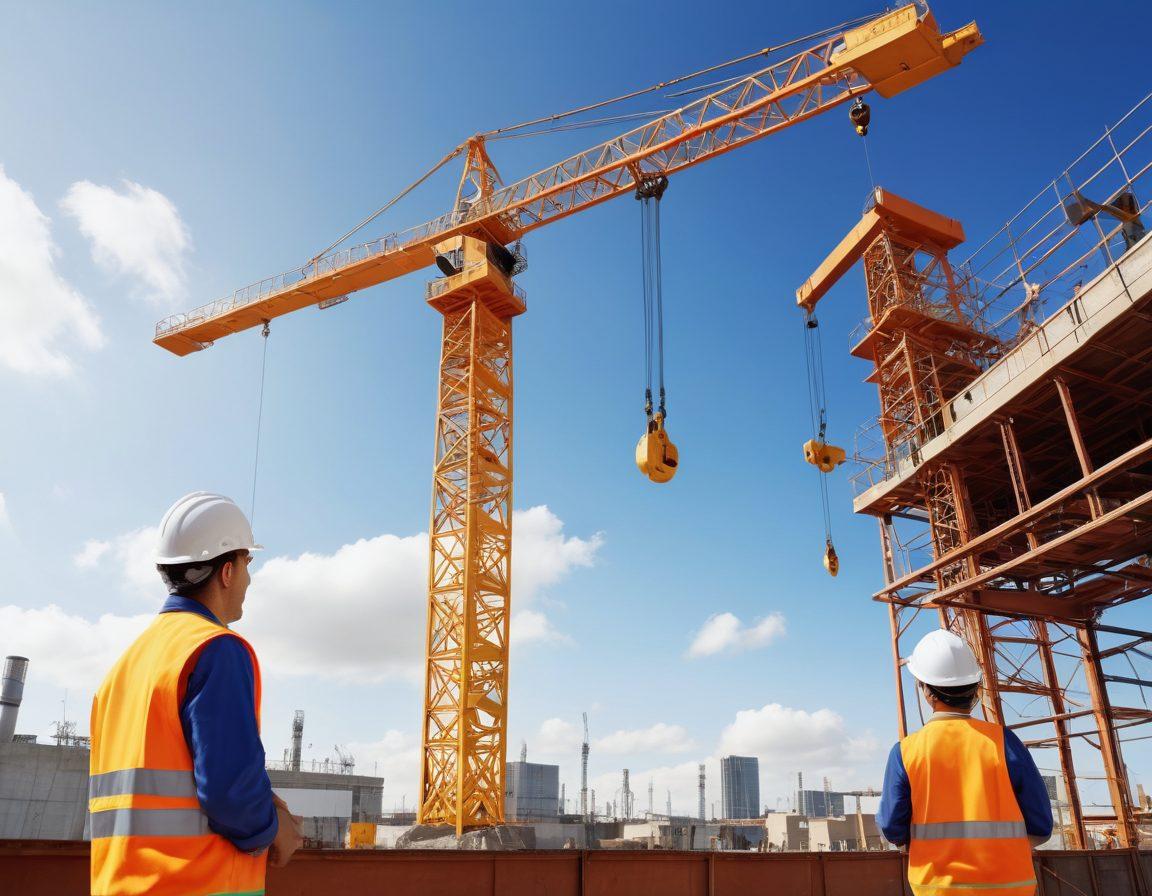
In the dynamic world of construction, where progress hinges on precision and safety, mastering elevation solutions becomes pivotal. Picture a busy construction site: towering cranes, industrious workers, and a bevy of lifts maneuvering materials high above the ground. It's a symphony of coordination, yet one wrong move with lifting equipment can lead to dire consequences. This guide dives into essential safety practices for lifting equipment, ensuring that your construction projects not only reach new heights but do so with absolute safety and efficiency. Are you ready to elevate your knowledge and revolutionize your approach to workplace safety?
Safety is not merely an add-on in the realm of lifting machinery; it’s a foundational pillar. Have you ever wondered how critical safety equipment, such as scissor lifts or forklifts, is to ensuring a project’s success? The use of proper safety equipment protects not just the workers but also the integrity of the project itself. For example, a Mohawk Lift, renowned for its durability and reliability, exemplifies how investing in high-quality lifting equipment can enhance safety standards on-site. Remember, when it comes to industrial lifting, 'safety first' isn’t just a slogan; it’s an ethos that could save lives.
Speaking of ethos, let’s delve into the heart of construction safety practices. Conducting thorough inspections of equipment like aerial equipment and elevating platforms should be a non-negotiable daily ritual. The question is: do you have a checklist in place? A well-structured inspection process not only identifies potential hazards but also fosters a culture of safety, making everyone at the construction site feel responsible. Share this mindset among your team, and you’ll not only create a safer environment but you'll also build a sense of camaraderie that empowers workers to speak up about safety concerns. After all, it’s about working together to prevent accidents before they occur.
In addition to regular equipment checks, training is paramount in mastering elevation solutions. Without proper training in material handling and height access, even the best construction machinery can become a liability. Engaging in rigorous training programs, tailored to your construction team’s specific needs, can transform the way they approach industrial safety. From understanding the mechanics of mechanical lifts to the intricacies of scissor lifts, knowledge shapes behavior. Remember the saying, 'an ounce of prevention is worth a pound of cure?' This is especially true in construction safety—investing in training is investing in your team's resilience and effectiveness.
Lastly, consider the role of equipment rental in optimizing your safety toolkit. Renting construction equipment allows you to access the latest models without the hefty price tag, ensuring that your team works with the best tools available. Whether it’s specialized lifting equipment or industrial equipment required for unique projects, equipment rental services can elevate your capabilities and safety practices. As you navigate through the intricate world of elevation solutions, always keep in mind: Safety isn’t just an option; it’s a responsibility that should drive every decision you make in the construction industry. So, are you prepared to elevate your knowledge and make a difference in your workplace safety strategies?
From Forklifts to Scissor Lifts: Choosing the Right Machinery for Your Job
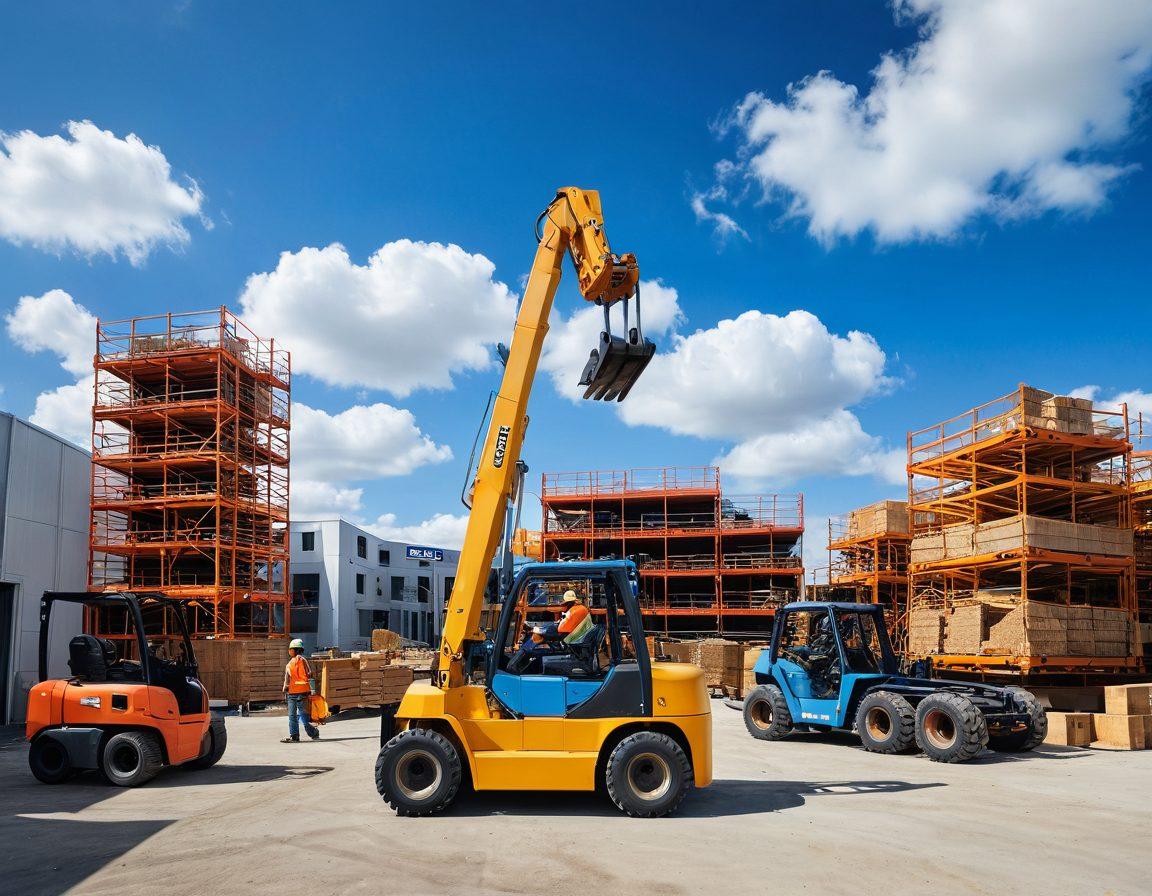
When it comes to construction projects, the equipment you choose can make a world of difference. Have you ever stood on a busy job site and marveled at the sight of towering scaffolds, powerful forklifts, and innovative scissor lifts maneuvering effortlessly? It's a dance of precision and engineering, where the right machinery plays a starring role. In the world of industrial equipment, the importance of selecting the right lifting equipment couldn't be more pronounced. This guide takes you on an enlightening journey through the diverse landscape of lifting machinery, helping you to make informed choices that boost workplace safety and elevate your projects to new heights!
Among the myriad lifting options available, you’ll find heavy-hitters like forklifts and scissor lifts alongside more specialized machinery. Have you ever wondered what truly distinguishes these forms of elevating platforms? Forklifts are your go-to for transporting materials across flat surfaces and navigating tight spots, while scissor lifts offer impressive vertical reach and stability—for those jobs where the sky’s the limit! Understanding these tools not only enhances material handling efficiency but also fortifies construction safety measures, ensuring your workforce remains safe as they ascend to new heights.
Engaging in responsible blogging about lifting equipment in construction requires a strong focus on safety, functionality, and innovation within the industry. Imagine the tale of a construction site manager, tasked with completing a project ahead of schedule. Armed with a fleet of Mohawk Lifts and access machinery, they deftly coordinate their team to not only meet but exceed the expectations of both their clients and colleagues. As your project progresses, with the right industrial lifting equipment, your construction machinery works like a well-oiled machine, showcasing the true power of elevation solutions.
However, choosing the right machinery for your specific needs doesn’t stop at just picking a forklift or a scissor lift. Consider aspects like equipment rental options as well; it could save your budget and optimize your project timeline. Do you have the right safety equipment to complement your lifting efforts? From harnesses to safety nets, ensuring your team's protection is paramount to cultivating a culture of workplace safety. With effective planning and reliable access machinery, you can elevate both the safety and productivity of your construction site.
As we immerse ourselves in the realm of industrial safety, remember this: the choice of lifting equipment isn’t just a technical decision; it’s a commitment to the well-being of everyone on site. Whether you're searching for mechanical lifts or sophisticated aerial equipment, each piece of construction equipment must be aligned with your project needs and safety protocols. So, what will it be? Are you ready to step up your game and fully leverage the tools of modern construction? Let the journey to elevate knowledge begin!
Construction Safety First: Ensuring Workplace Security with Lifting Equipment
When it comes to construction safety, there’s no room for compromise. As the old saying goes, "An ounce of prevention is worth a pound of cure," and this couldn’t be truer in the realm of lifting equipment in construction. Therefore, prioritizing workplace safety not only protects workers from potential accidents but also ensures that projects are completed efficiently and on schedule. In this blog, we’ll explore how proper use of lifting machinery can enhance safety protocols on construction sites, shedding light on the numerous elevation solutions available, such as scissor lifts, forklifts, and Mohawk lifts, to help you make informed decisions about construction safety.
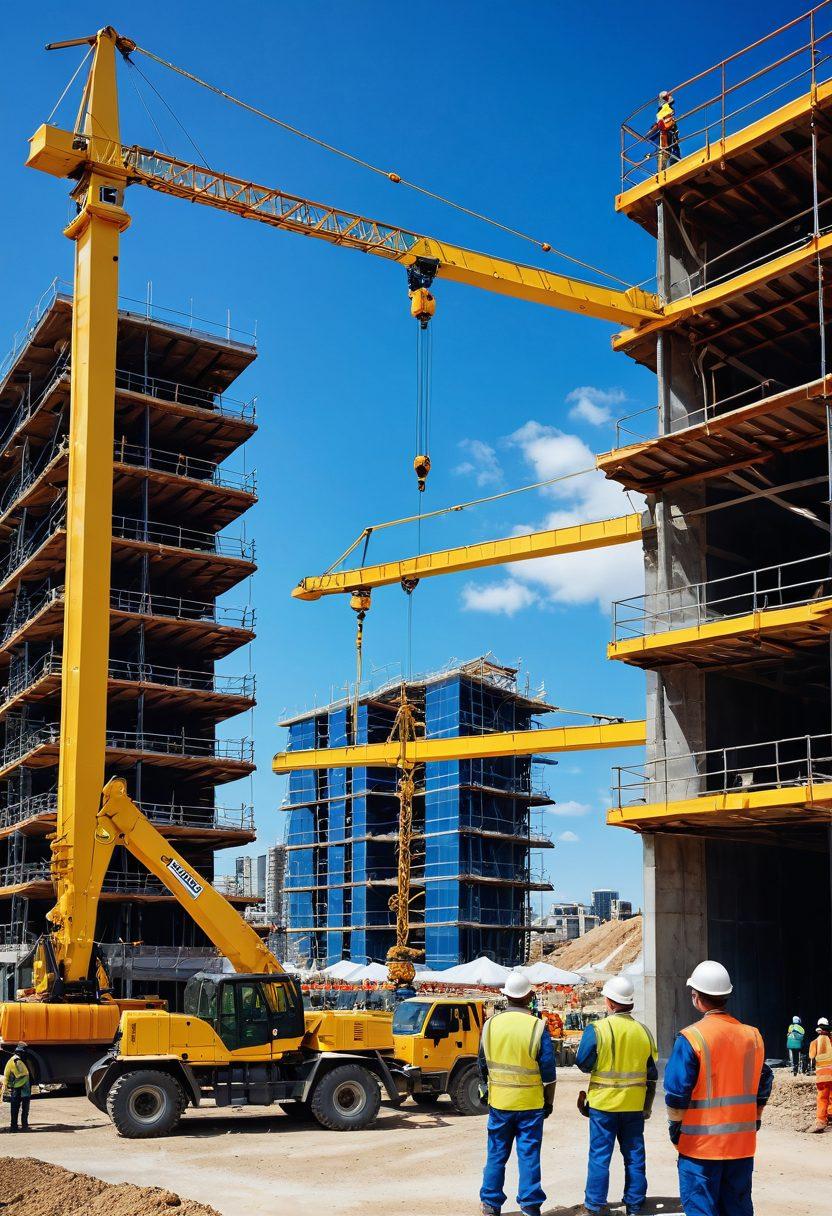
Imagine a bustling construction site where the buzz of hard work fills the air, but underlying that hustle is a critical focus on safety equipment. What happens when that focus wavers? Accidents occur, productivity dwindles, and lives can change forever. Thus, understanding the right machinery—like aerial equipment and elevating platforms—is essential for material handling and mechanical lifting tasks. The combination of the right tools and safety training lays a proactive foundation for a secure working environment, helping workers navigate the heights of construction without unnecessary risk.
Most people know that working at height is inherently risky, but what’s often overlooked is how essential industrial safety practices are in mitigating those risks. Whether you're renting access machinery or acquiring construction equipment, investing in the proper lifting equipment is not just a regulatory obligation; it is a moral responsibility. How can construction managers effectively implement equipment rental strategies that leverage the best industrial equipment available for their projects? Finding reliable suppliers that offer well-maintained equipment can make all the difference in ensuring proper safety measures are in place.
Consider this: a worker is balancing heavy materials on a scissor lift, maneuvering them into place high above the ground. Underneath the surface, the lift is equipped with safety guards, and the operator has undergone extensive training. These techniques are vital to ensure effective and safe operations, but they can only be effective if everyone adheres to strict safety protocols. It's crucial for organizations to foster a culture of safety where everyone feels empowered to speak up if they notice unsafe practices, thereby reinforcing the importance of safety equipment in the construction field.
In closing, let's remember that the essence of workplace safety begins with education and awareness. By sharing insights through blogging and connecting with communities, we can promote a culture of safety that encompasses all facets of lifting equipment— from the mechanical lifts we use every day, to the strategic planning behind effective construction machinery. So, what steps are you willing to take to enhance construction safety on your site? Let’s put our collective efforts into elevating knowledge around lifting equipment because, at the end of the day, safety isn't just a requirement; it’s a commitment to ourselves and our fellow workers.